
Home / Services / Visibility Studies
FORENSIC VISIBILITY STUDY
Visibility Study Expert Witness: Show the Jury What the Driver Could Actually See
In many auto, truck and pedestrian cases, liability turns on one question: what could the driver see, and when? A visibility study answers it with evidence instead of argument. As a visibility study expert witness for more than 50 years, Paul Kayfetz has produced over 5,000 Drivers Eye HD visibility studies, about 1,800 of them at night. He has been qualified as an expert witness more than 500 times in federal and state courts.
Free case review.
Call (415) 380-8494 or send your case details. Paul reviews every inquiry personally.
What Is a Visibility Study?
A visibility study is a video showing what was available to be seen under the conditions of the incident. It is filmed from the driver’s eye position, with matching lighting, weather, vehicle and headlights, so the jury sees the approach the way the driver would have.
A visibility study is not an animation or a cartoon. It is also different from three things it is often confused with:
Accident reconstruction calculates speeds, distances and timing. A visibility study shows what could be seen along that timeline.
Accident recreation or reenactment stages the crash itself. A visibility study does not.
Computer simulation draws the scene with software. A Drivers Eye study is real HD video. Vehicles or pedestrians that can’t be staged safely are inserted using video, not drawn.
When You Need a Visibility Study
Order a visibility study whenever a party says “I never saw them” or the other side’s photos make the scene look brighter, clearer or more open than it was. Common case types:
How a Drivers Eye HD Visibility Study Is Done
Review the evidence.Police photos, scene measurements, vehicle data and any dash cam or security video set the facts the study must match.
Match the conditions.The study is filmed on a night with matching moon phase and sky position, and similar moisture, fog or clear air. These all change how light scatters.
Match the vehicle.An exemplar vehicle with the same make, model and headlight assemblies is used. Its headlights are aimed and measured to match the involved vehicle’s reach and spread.
Film from the driver’s eye.Calibrated HD video systems capture the approach from the driver’s seated position. Opposing headlight glare is included when oncoming traffic was a factor.
Measure from the footage.Photogrammetry (measurement from photos and video) ties what appears on screen to real distances and timing.
Deliver and testify.You receive the HD study plus foundation testimony on the methods, equipment and calibration behind it.
See real examples.
Why Police Photos and Animations Mislead Juries
A camera flash or an auto-exposed phone photo can make a dark road look lit. A computer animation can make a pedestrian look plainly visible. Neither shows what a human driver could see at the time. A properly calibrated visibility study corrects that picture, in either direction.
Read more: Why standard photography fails in nighttime accident litigation.
Illustrations, not photographs from a case.
Built to Be Admitted in Court
Visual evidence only helps if the jury sees it. Drivers Eye visibility studies are routinely admitted because the foundation is built in from the start:
- Methods follow accepted, verifiable engineering measurement procedures.
- Paul has published peer-reviewed papers on visibility study and photogrammetry methods, including the foundation needed for admissibility.
- Paul testifies to the methods, equipment and calibration, and he has been qualified as an expert more than 500 times since 1963.
- Each study is prepared with Daubert and Frye challenges, and California’s Kelly and Sargon standards, in mind.
PREPARED WITH THESE STANDARDS IN MIND
DaubertFryeKellySargon
Keeping the Other Side’s Visual Evidence Out
Much of Paul’s work is challenging opposing photos, simulations and animations that don’t meet the rules of evidence. Common flaws include uncalibrated cameras, mis-aimed headlights and animations that misrepresent nighttime contrast. Excluding flawed visual evidence has swung multi-million dollar results, including a $62 million verdict.
Uncalibrated camerasMis-aimed headlightsMisleading nighttime contrast
A verdict among the multi-million dollar results swung by excluding flawed visual evidence.
Why Attorneys Retain Paul Kayfetz
- 50+ years of engineering photography and visibility study work
- 5,000+ visibility studies, about 1,800 at night
- Qualified 500+ times as an expert in federal and state courts since 1963
- Former attorney (J.D., Berkeley, 1971), so he builds evidence the way trial lawyers use it
- Peer-reviewed author on visibility and photogrammetry methods
PROFESSIONAL MEMBERSHIPS
- American Academy of Forensic Sciences (Engineering Section)
- Society of Forensic Engineers and Scientists
- American Society for Photogrammetry and Remote Sensing
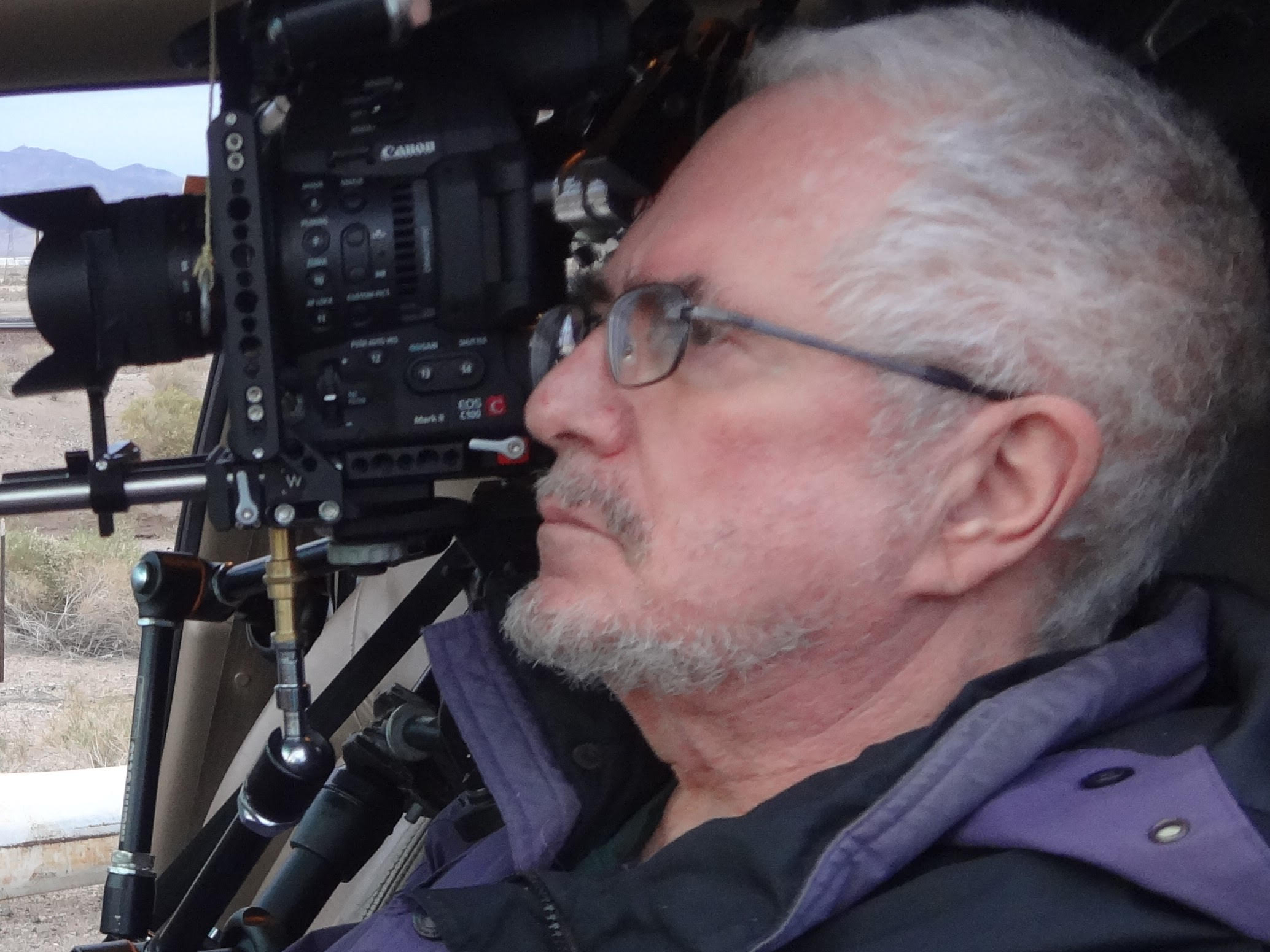
Paul Kayfetz
Retain Early: Visibility Evidence Is Time-Sensitive
Scenes change. Streetlights get replaced, vegetation grows or gets cut back, and roads are restriped. Moon phase and sun position only repeat on certain dates. Retaining a visibility expert early protects the conditions your study needs to match.
Talk to Paul about your case.
Free case review: (415) 380-8494