
Home / Services / Video Enhancement
FORENSIC VIDEO ENHANCEMENT
Forensic Video Enhancement Expert Witness: Dash Cam and Security Video That Holds Up in Court
Dash cam and surveillance video often captures the moment that decides a case, and then fails to show it clearly. Low light, heavy compression, wide-angle distortion and low frame rates can bury a license plate, a pedestrian or a signal. As a forensic video enhancement expert witness for more than 50 years, Paul Kayfetz clarifies that footage with objective engineering methods, measures what it shows, and testifies to how every step was done.
Free case review.
Call (415) 380-8494 or send your case details. Paul reviews every inquiry personally.
What Is Forensic Video Enhancement?
Forensic video enhancement is the objective clarification of existing footage so a judge and jury can see what the camera actually recorded. It uses noise reduction, contrast balancing and distortion correction. It does not add detail that was not in the original recording.
That last point is the whole difference between enhancement and alteration. Consumer editing tools and “AI upscaling” can guess at missing pixels, and that invites an exclusion motion. Paul’s work is built to survive that challenge: each step is documented, repeatable and explainable in plain terms.
How it differs from a visibility study:
Video enhancement works on footage that already exists, such as a dash cam, doorbell, store or traffic camera recording, and makes it clearer and measurable.
A visibility study creates new HD video from the driver’s eye position to show what could be seen under the conditions of the incident.
When You Need Dash Cam or Security Video Enhanced
Order enhancement when the footage exists but cannot be used as it is. Common situations:
Footage sources: vehicle dash cams, fleet and telematics cameras, home and business surveillance systems, doorbell cameras, traffic and transit cameras, and cell phone video.
How Paul Enhances Video
Secure the original.Start from the original source file, not a re-saved or screen-recorded copy.
Assess the footage.Identify the lens, frame rate, compression and lighting problems that limit what can be seen.
Clarify objectively.Apply noise reduction and contrast balancing without adding data, and correct lens distortion where preferable.
Measure from the video.Use photogrammetry, with coordinate grids, to tie what is on screen to real distances and positions.
Document every step.Record the methods and parameters so the work can be explained and repeated.
Deliver and testify.You receive the enhanced footage plus testimony on the methods behind it.
See real examples.
What Enhancement Can and Cannot Do
Enhancement clarifies what the camera recorded. It cannot invent what it did not. Setting that expectation early builds trust with the attorney and keeps the evidence admissible.
| ✓Enhancement can | ✕Enhancement cannot |
|---|---|
| Reduce noise and grain in low-light footage | Create detail that was never recorded |
| Balance contrast so dark areas are easier to see | Make an unreadable plate readable if the pixels are not there |
| Correct wide-angle and fisheye distortion | Guess at missing frames or pixels |
| Support measurements of distance, position and size | Turn a poor recording into a perfect one |
Built to Be Admitted in Court
Enhanced video only helps if the judge lets the jury see it. The court asks whether the enhancement clarified the original footage or altered it, and whether the method is reliable.
- Authentication. Under Federal Rule of Evidence 901, the proponent must show the video is what it is claimed to be. The expert explains how the enhanced version relates to the original.
- Objective methods. Noise reduction, contrast balancing and distortion correction are standard engineering techniques that add no new data.
- Daubert and Frye. Methods are prepared with these challenges in mind, along with California’s Kelly and Sargon standards.
- Foundation testimony. Paul explains the processes, equipment and measurements behind the enhancement, and he has been qualified as an expert more than 500 times since 1963.
- Peer-reviewed work. Paul has co-authored peer-reviewed papers, and his methods have been presented at national and international engineering society meetings.
PREPARED WITH THESE STANDARDS IN MIND
Rule 901DaubertFryeKellySargon
Read more: How to get enhanced dash cam and security video admitted into evidence.
Why Attorneys Retain Paul Kayfetz
- 50+ years of engineering photography, photogrammetry and visibility study work
- Qualified 500+ times as an expert in federal and state courts since 1963
- Former attorney (J.D., Berkeley, 1971), so he builds evidence the way trial lawyers use it
- Peer-reviewed author on visibility and photogrammetry methods
- Works both offensively and defensively: enhancing your video, and analyzing the source files, software settings and math behind the other side’s video or animation
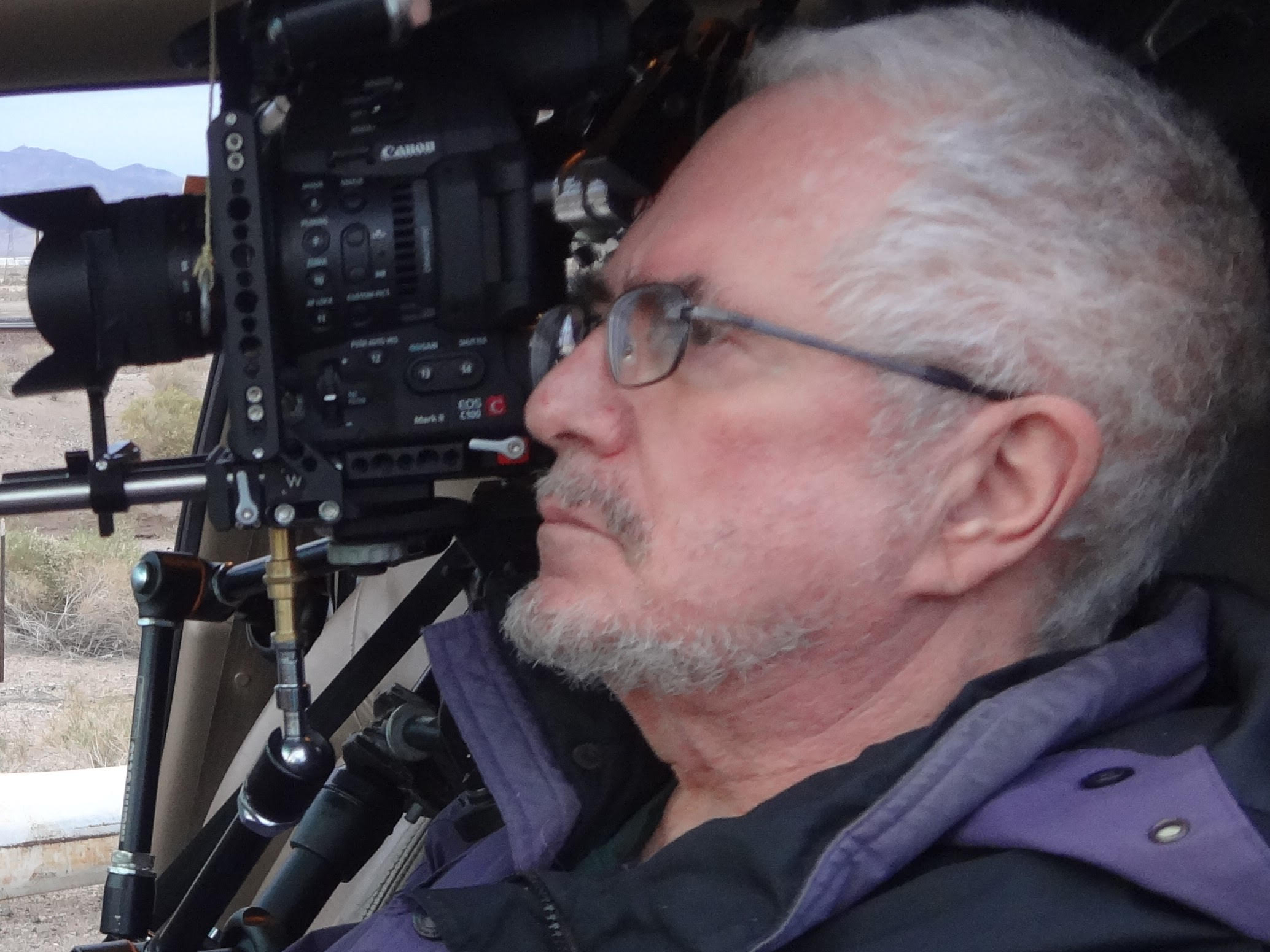
Paul Kayfetz
Retain Early: Video Gets Overwritten
Dash cam and surveillance systems record over old footage, often within days or weeks. Cloud accounts expire, and phones and memory cards get reused. The original file is the best starting point for enhancement, and once it is gone, it cannot be replaced.
Send Paul your footage and case details.
Free case review: (415) 380-8494